

We're Here to Assist You
Termite Control: A Recent Job in Indian Hills & Early Warning Signs to Notice
Category: Holiday
Published: July 2026
By: Mint Pest Control Team
What I Walked Into
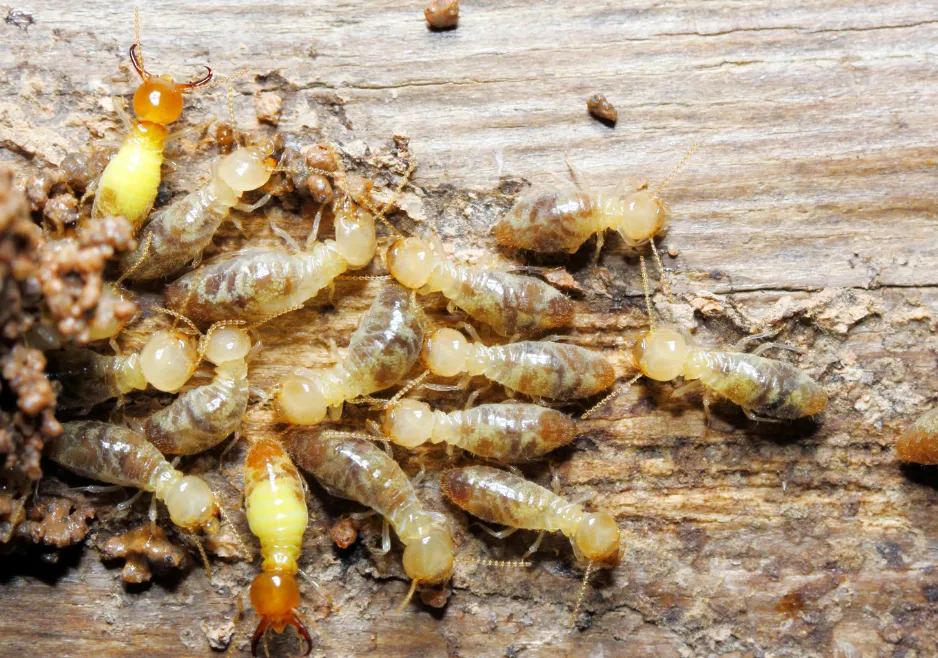
A homeowner in the Indian Hills area contacted Mint Pest Control after noticing suspicious markings and damaged wood near an accessible foundation area.
The homeowner initially believed the damage might be related to moisture or normal aging. However, the material appeared different from ordinary weathering and required a closer inspection.
During the visit, the accessible foundation, nearby structural wood and surrounding property conditions were carefully examined.

The Problem
The inspection identified several conditions that required further attention:
Suspicious mud-like material was present near the foundation.
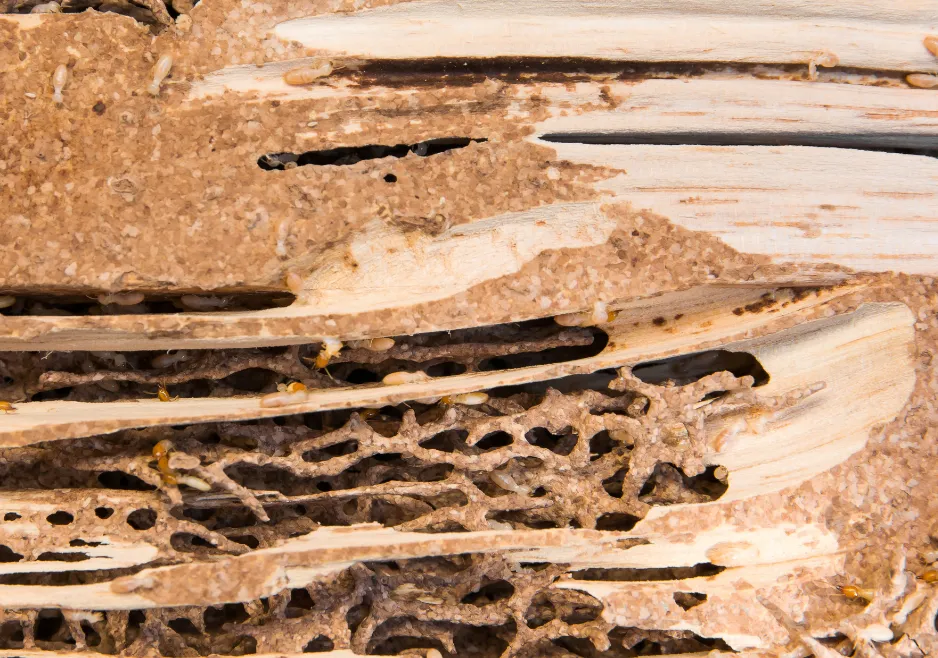
Accessible wood showed signs of internal deterioration.
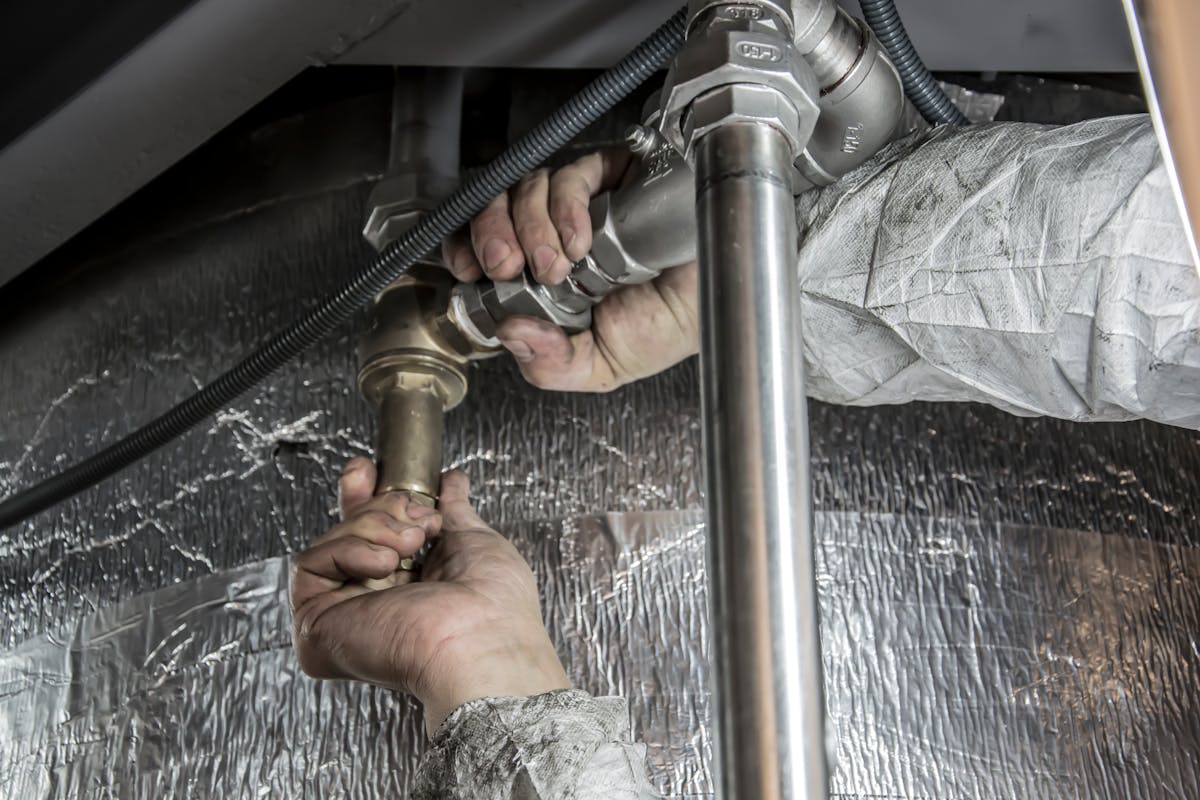
Moisture was present in part of the surrounding area.
Wood and cellulose debris were located close to the structure.
Landscaping limited visibility along sections of the foundation.
The combination of suspicious evidence, moisture and nearby wooden material made a detailed termite assessment important.
The Process
Step 1 — Visual Inspection
The accessible foundation, structural edges and nearby wooden materials were examined for mud tubes, damaged wood and other potential evidence.
Step 2 — Wood and Damage Review
Suspicious wood was checked for hollow areas, internal galleries and damage patterns that could require further evaluation.
Step 3 — Moisture and Property Assessment
Drainage, soil contact, landscaping and other conditions that could provide termites with moisture, shelter or access were reviewed.
Step 4 — Service Recommendation
The findings were explained to the homeowner, and an appropriate termite-control plan was recommended based on the evidence and accessible areas.
Step 5 — Monitoring and Follow-Up
The homeowner received guidance on monitoring the property and identifying new activity that could require additional service.
The Outcome
By the end of the assessment, the homeowner had a clearer understanding of the suspicious activity and the property conditions that could contribute to termite risk.
The accessible areas requiring attention were identified, and the customer received a practical plan for treatment, monitoring and property maintenance.
Because termite activity can remain concealed, continued observation and follow-up may be recommended depending on the findings.

Prevention Tips
These were the practical recommendations discussed with the homeowner:
Check accessible foundation areas for mud tubes.
Correct plumbing leaks and drainage problems.
Keep mulch from covering visible foundation surfaces.
Avoid direct contact between soil and structural wood.
Store firewood away from the building.
Remove unnecessary wood and cellulose debris.
Keep gutters and downspouts draining properly.
Trim dense vegetation that blocks foundation inspections.
Monitor garages, crawl spaces and basements for new evidence.
Request a professional inspection when suspicious signs appear.
"It's brighter than before!"
— Megan
Professional Insight
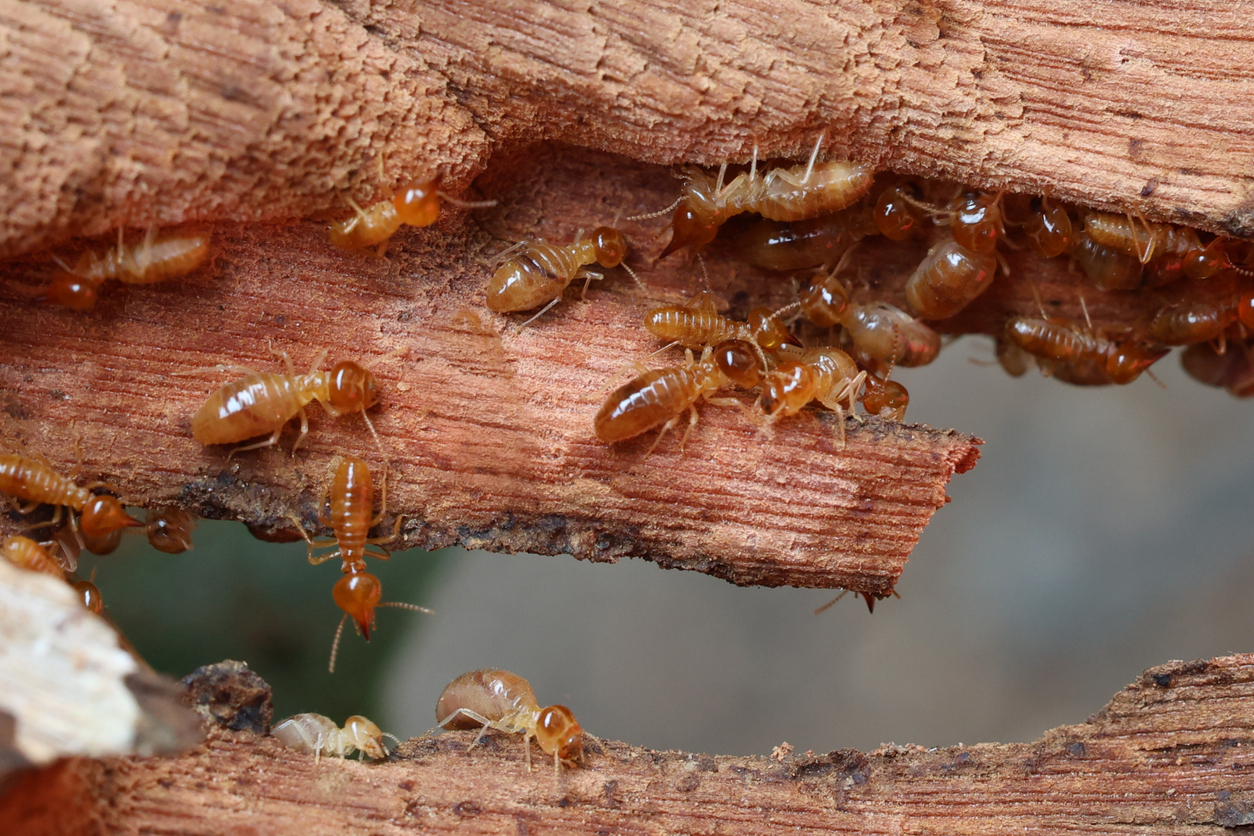
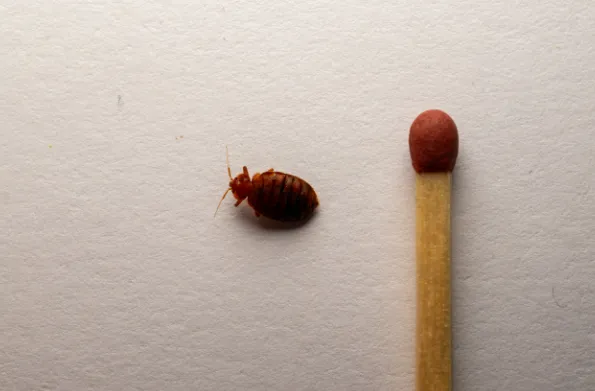
Termites can cause damage while remaining hidden behind walls, beneath floors or inside wooden materials.
A mud tube, damaged board or group of discarded wings may provide useful information, but one sign alone may not confirm the full extent of the activity.
Moisture, drainage, landscaping and wood-to-soil contact should also be evaluated. A professional inspection helps connect visible evidence with the surrounding property conditions before treatment is recommended.
Closing Thoughts
Termite activity may remain concealed until accessible warning signs become noticeable.
For properties throughout Indian Hills and the surrounding Louisville area, foundations, garages, basements, crawl spaces and moisture-prone locations should be checked regularly.
If you have discovered mud tubes, discarded wings or possible wood damage, contact Mint Pest Control to request an inspection and appropriate next steps.
— Mint Pest Control
Services
Address
4965 US-42 #1000, Louisville, KY 40222, United States
Contact Us
Call: +1 502-503-2757
© 2026 Mint Pest Control. All Rights Reserved.